JEGO.
Mentors for
the Gulf, designed with nuance.
A video streaming platform connecting Gulf users with world-renowned mentors, redesigned for Arabic speakers first, Islamic values, and a market that Western wellbeing apps had consistently failed to serve.
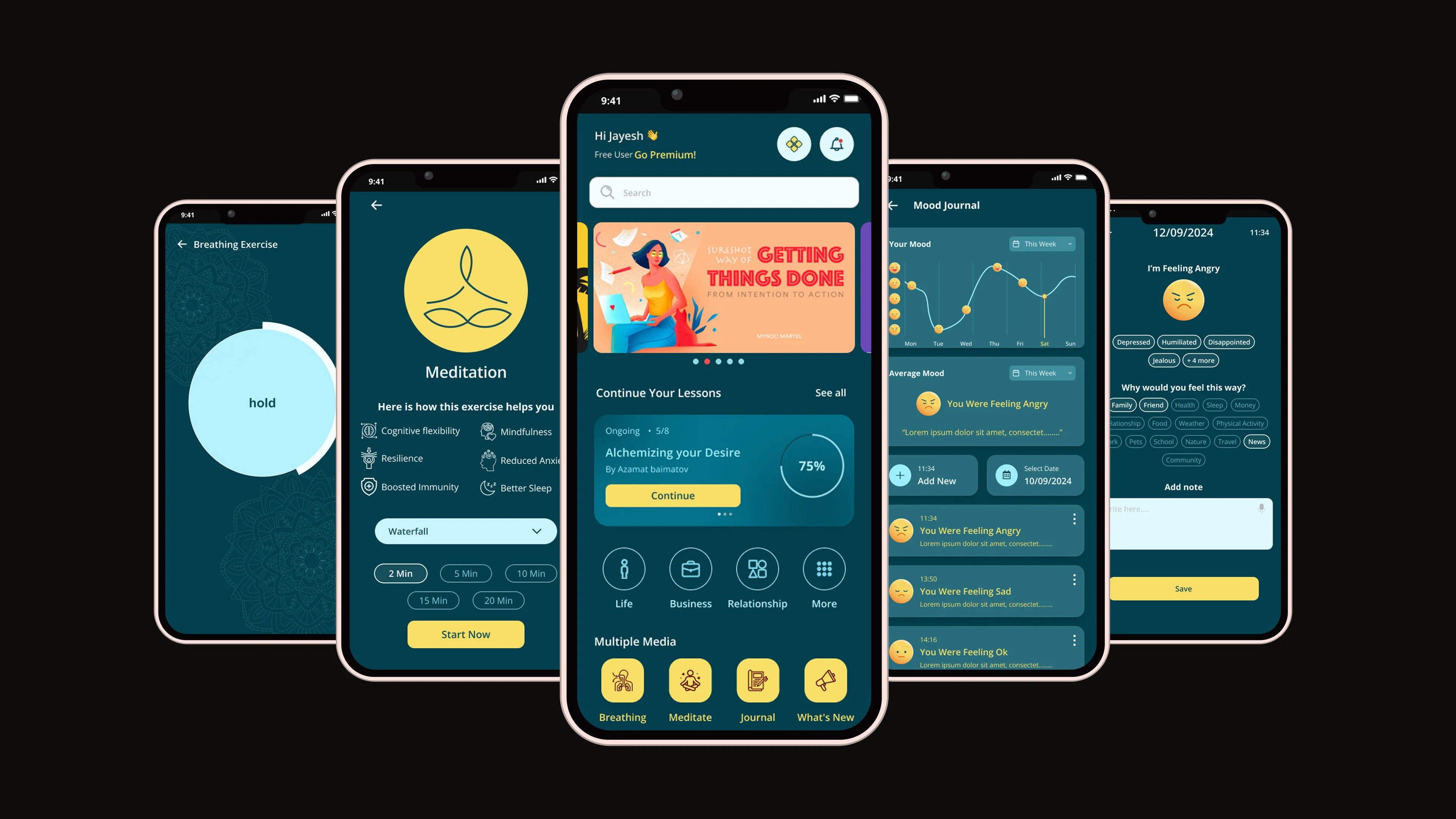
Western wellbeing apps were being imported into a culture they never understood.
The UAE wellbeing market was saturated with apps built for Western audiences: English-first, culturally neutral, and designed around habits and frameworks alien to Gulf users. Meditation apps assumed a secular frame. Mentor content ignored Islamic perspectives on purpose, ambition, and community.
JEGO's founders had a clear vision: a streaming platform where Gulf users could access world-class mentors on wellbeing, business, and life, but designed with the cultural fluency those users deserved. The challenge was not translation. It was design empathy at a civilisational scale.
"Intuitive is always local. We had to learn what intuitive meant in the Gulf."
Journey maps. Arabic first. Listening before designing.
The design brief arrived with a constraint: no assumptions. Research with Gulf users revealed that they did not separate wellbeing from spiritual practice, family obligations, or professional ambition; they were one continuous pursuit. That single insight rewrote the product's information architecture from scratch.
Wellbeing is not secular in the Gulf
Users expected content to acknowledge Islamic perspectives on mental health, purpose, and rest. Spiritually neutral content was read as culturally foreign.
Arabic is not a translation layer
RTL is not the mirror of LTR. Typography hierarchy, button placement, scroll direction, and reading patterns all required first-principles redesign, not just a flip.
Onboarding must respect ritual
Gulf users decide quickly whether to trust an app. Onboarding needed to feel deliberate and unhurried, aligned with how significant life decisions are made culturally.
RTL first. Cultural nuance built in, not bolted on.
The design system was built RTL-first; Arabic was not a variant, it was the primary language. Every component was designed in Arabic and adapted for English, not the reverse. This meant custom typographic scales for Arabic script, which behaves very differently from Latin at small sizes and required decisions that no existing design system had already made. Rebuilding from first principles also meant every contrast ratio, focus state, and touch target was validated against WCAG AA, a rigour the original Western-facing apps had never applied to Arabic interfaces.
Listening first
Mapped Gulf users' relationship with wellbeing, learning, and digital content. Built detailed journey maps from discovery to daily habit.
RTL information design
Redesigned every navigation pattern, content hierarchy, and interaction model from Arabic outward. RTL was the primary design language, not an adaptation.
Ritual-led entry
Designed an onboarding flow that mirrors how Gulf users make significant life decisions (slowly, deliberately, and with intent) before surfacing any content.
Mobile-first viewing
Optimised the video experience for mobile consumption patterns in the UAE: vertical-first layouts and culturally appropriate content discovery.
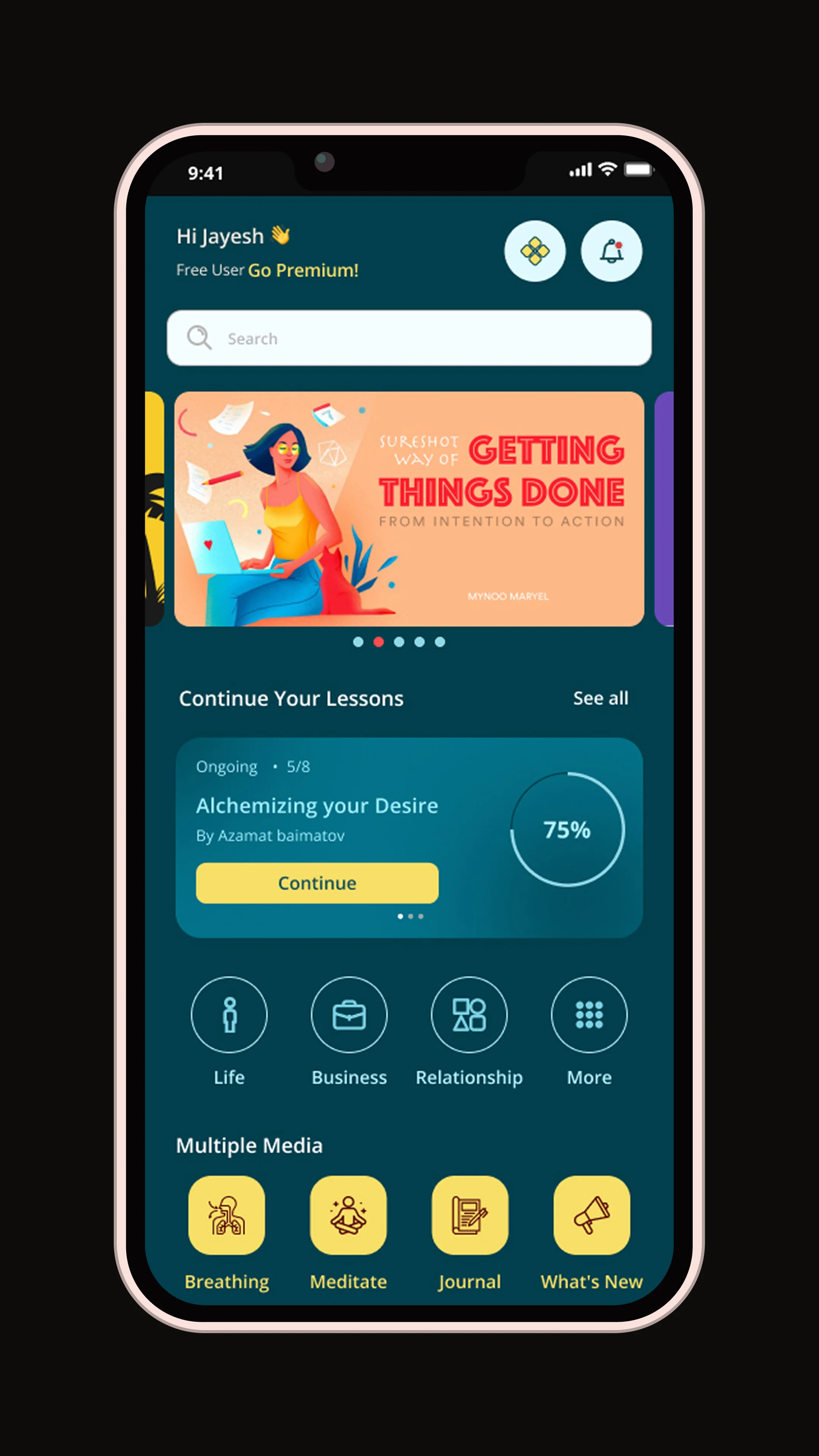
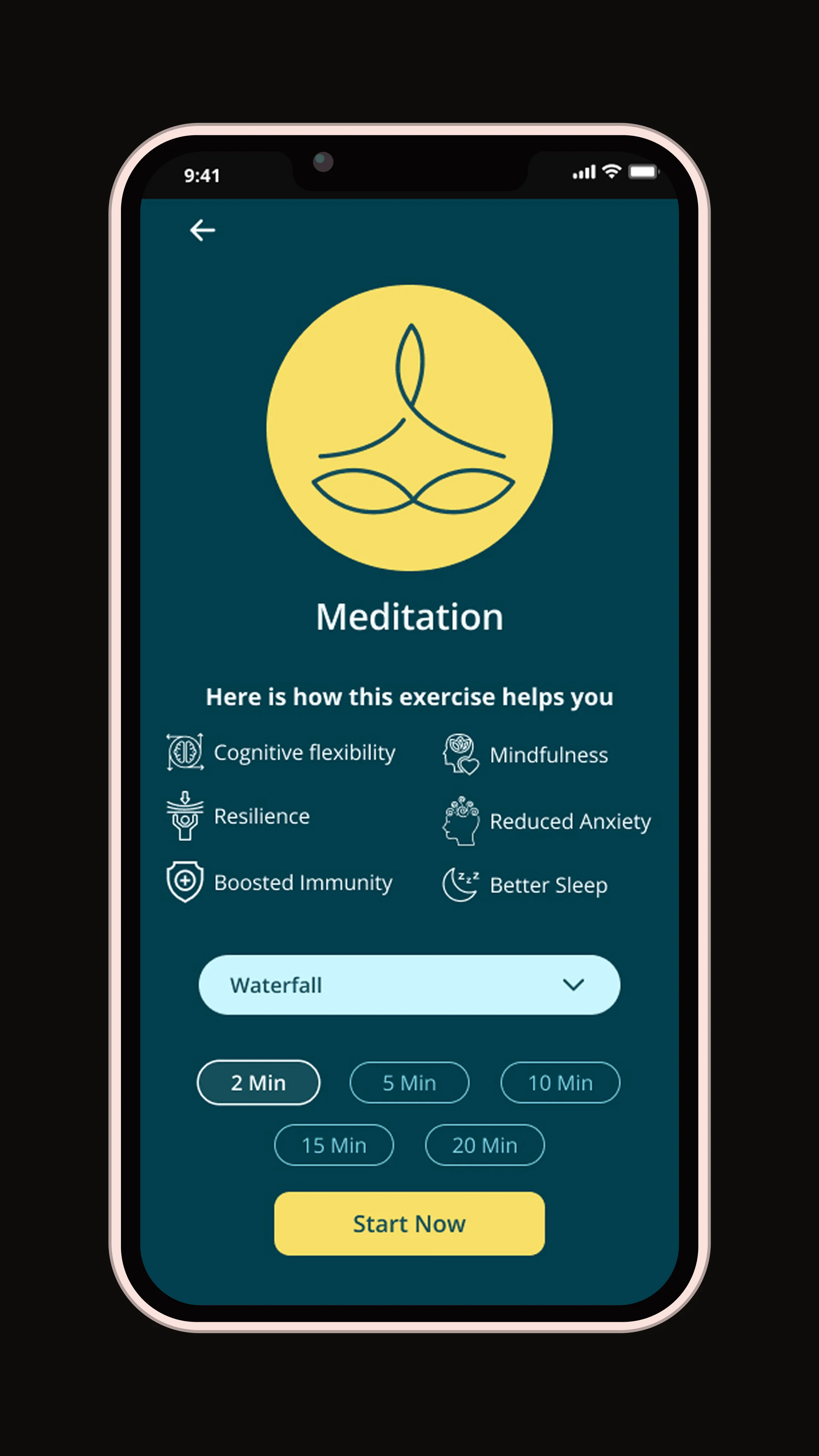
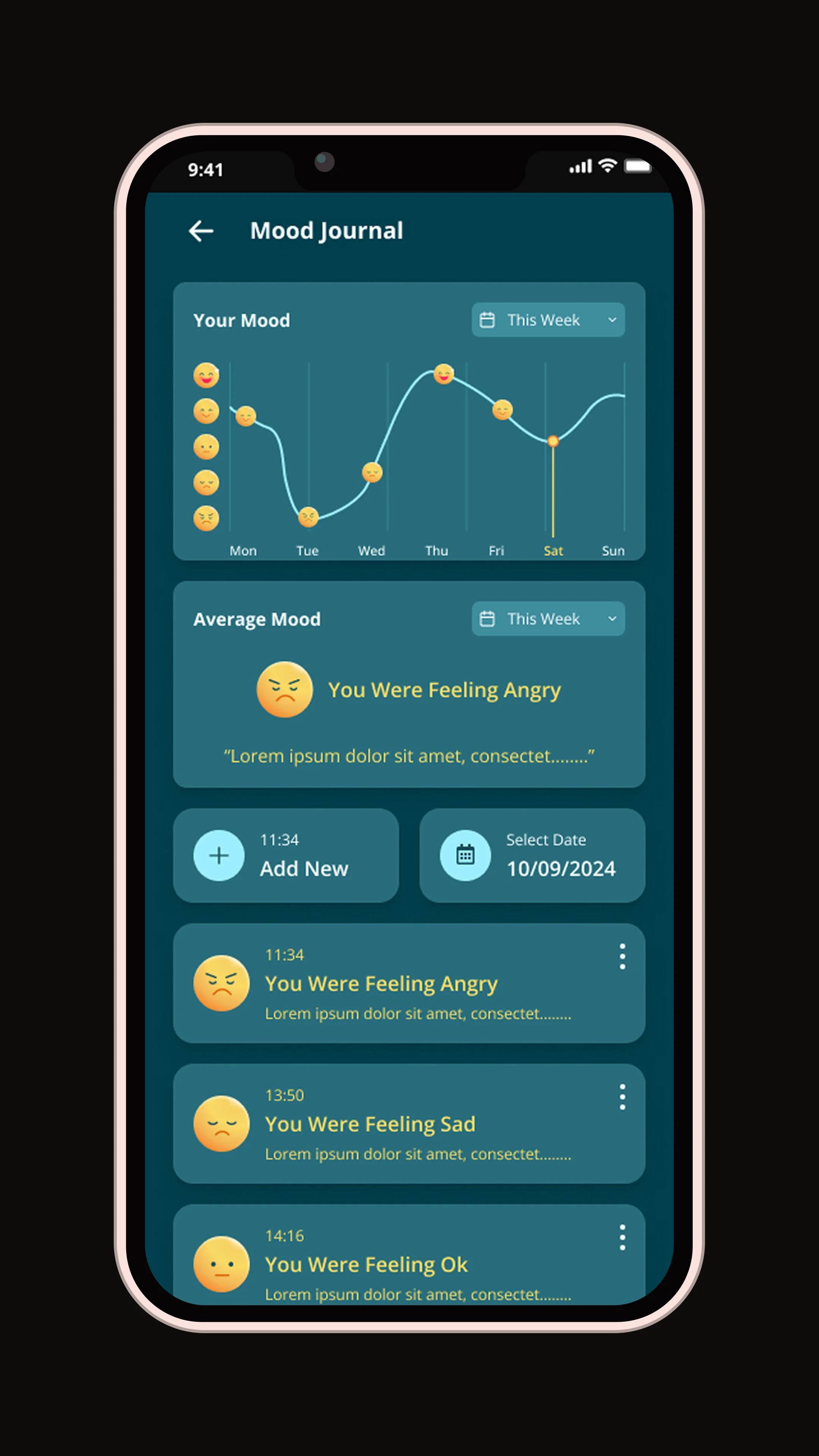
A wellbeing platform the Gulf could finally call its own.
Usability satisfaction rose 25%. JEGO launched as a culturally grounded alternative to Western wellbeing apps, with first-class Arabic support, ritual-aligned onboarding, and a mentor roster that included voices relevant to Gulf audiences. The RTL design system was not a feature; it was the foundation everything else was built on.
The product proved that cultural fluency in design cannot be templated; it has to be earned through the research. Shipping for the Gulf required going beyond personas and into lived experience: understanding how users relate to time, self-improvement, community, and faith as an integrated whole, not separate categories.